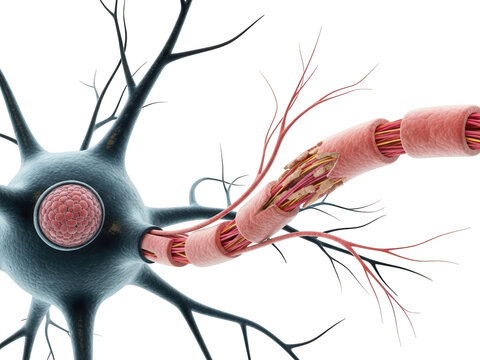
Course Details:
Launch Date: August 5, 2025
Expires: August 31, 2027
Course #1073
12 Credits/Hours
Course Overview
This course provides a comprehensive exploration of Multiple Sclerosis (MS), a chronic autoimmune disease affecting the central nervous system. Students will gain a thorough understanding of the pathophysiology, clinical manifestations, diagnostic approaches, and management strategies for MS. The course examines current research, treatment modalities, and the impact of MS on patients’ quality of life. Through evidence-based content, learners will develop the knowledge necessary to understand this complex neurological condition and its multifaceted effects on individuals and healthcare systems.
Table of Contents
- Introduction to Multiple Sclerosis and Pathophysiology
- Types and Classification of Multiple Sclerosis
- Clinical Manifestations and Symptoms
- Diagnostic Methods and Criteria
- Treatment Approaches and Disease-Modifying Therapies
- Symptom Management and Rehabilitation
- Living with Multiple Sclerosis: Quality of Life and Support
Learning Objectives
Upon completion of this course, students will be able to:
- Describe the pathophysiological mechanisms underlying Multiple Sclerosis and explain how demyelination affects neurological function
- Identify and differentiate between the various types of MS and their characteristic disease courses
- Recognize the diverse clinical presentations and symptoms associated with MS across different patient populations
- Explain the diagnostic criteria and interpret common diagnostic tools used in MS evaluation, including MRI findings and cerebrospinal fluid analysis
- Evaluate current disease-modifying therapies and understand their mechanisms of action, efficacy, and potential adverse effects
- Develop comprehensive symptom management strategies and understand the role of rehabilitation in MS care
- Assess the psychosocial impact of MS on patients and families and identify appropriate support resources and interventions