Course Details:
Launch Date: August 5, 2025
Expires: August 31, 2027
Course #1071
10 Credits/Hours
Course Overview
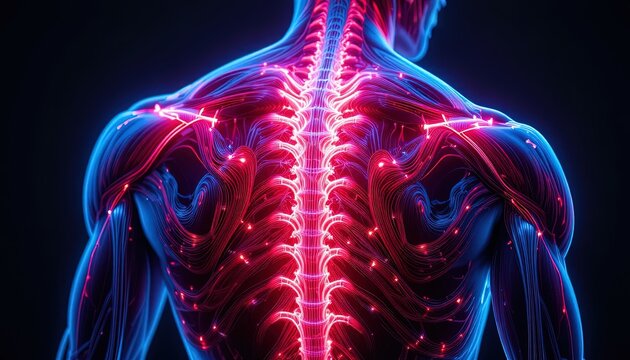
This course provides a comprehensive examination of the pathophysiological processes affecting the musculoskeletal system, including muscles, joints, and connective tissues. Students will explore the underlying mechanisms of disease, dysfunction, and injury in these systems, integrating knowledge of normal anatomy and physiology with abnormal pathological states. The course emphasizes evidence-based understanding of common and complex musculoskeletal disorders, their clinical manifestations, and the physiological basis for therapeutic interventions. Through systematic study of inflammatory, degenerative, traumatic, and systemic conditions affecting musculoskeletal structures, students will develop critical thinking skills necessary for clinical practice and patient care.
Table of Contents
- Cellular and Molecular Mechanisms of Muscle Tissue Injury and Repair
- Inflammatory Disorders of Joints and Connective Tissues
- Degenerative Joint Diseases and Osteoarthritis
- Autoimmune Rheumatic Diseases
- Metabolic and Endocrine Disorders Affecting Musculoskeletal Function
- Traumatic Injuries to Muscles, Tendons, and Ligaments
- Bone Disorders and Their Impact on Musculoskeletal Function
- Neuromuscular Junction Disorders and Muscle Weakness Syndromes
Learning Objectives
Upon completion of this course, students will be able to:
- Analyze the cellular and molecular mechanisms underlying muscle tissue damage, inflammation, and regeneration in various pathological conditions.
- Differentiate between inflammatory and non-inflammatory joint disorders based on pathophysiological mechanisms and clinical presentations.
- Explain the degenerative processes involved in osteoarthritis and other joint diseases, including cartilage breakdown and bone remodeling.
- Evaluate the immunological basis of autoimmune rheumatic diseases and their systemic effects on connective tissues.
- Assess how metabolic and endocrine imbalances contribute to musculoskeletal dysfunction and disease progression.
- Describe the pathophysiology of acute and chronic traumatic injuries to muscles, tendons, and ligaments, including healing processes and complications.
- Examine the relationship between bone pathology and musculoskeletal system function, including the impact of osteoporosis and metabolic bone diseases.
- Integrate knowledge of neuromuscular junction pathophysiology to understand disorders causing muscle weakness and impaired motor function.
- Apply pathophysiological concepts to clinical scenarios involving musculoskeletal disorders for improved patient assessment and care planning.
- Synthesize evidence from current research literature to support clinical decision-making in musculoskeletal pathophysiology.